The web design industry is undergoing a seismic shift. For over a decade, small businesses were forced to choose between cheap, ineffective DIY builders or expensive, slow-moving agencies. In 2026, AI-driven web design has completely obliterated this compromise, allowing small businesses to deploy enterprise-grade, high-converting digital assets at a fraction of the cost and time. Here is the definitive guide on how AI is revolutionizing small business web architecture.
The End of the Traditional Agency Model
Historically, launching a custom website involved weeks of wireframing, tedious back-and-forth design revisions, and clunky content gathering. A local plumber or accountant often paid $5,000 to $15,000 for a 10-page WordPress site that took three months to build.
This model was highly inefficient because human designers were bogged down by repetitive tasks: choosing color palettes, padding margins, writing filler text, and struggling with unresponsive plugins. AI-driven web design changes the fundamental economics of this process. By utilizing multi-modal Large Language Models (LLMs) and generative UI frameworks, we can now automate the boilerplate code and structural layouts, freeing up human engineers to focus strictly on conversion rate optimization (CRO) and advanced technical SEO in Santa Monica, CA integrations.
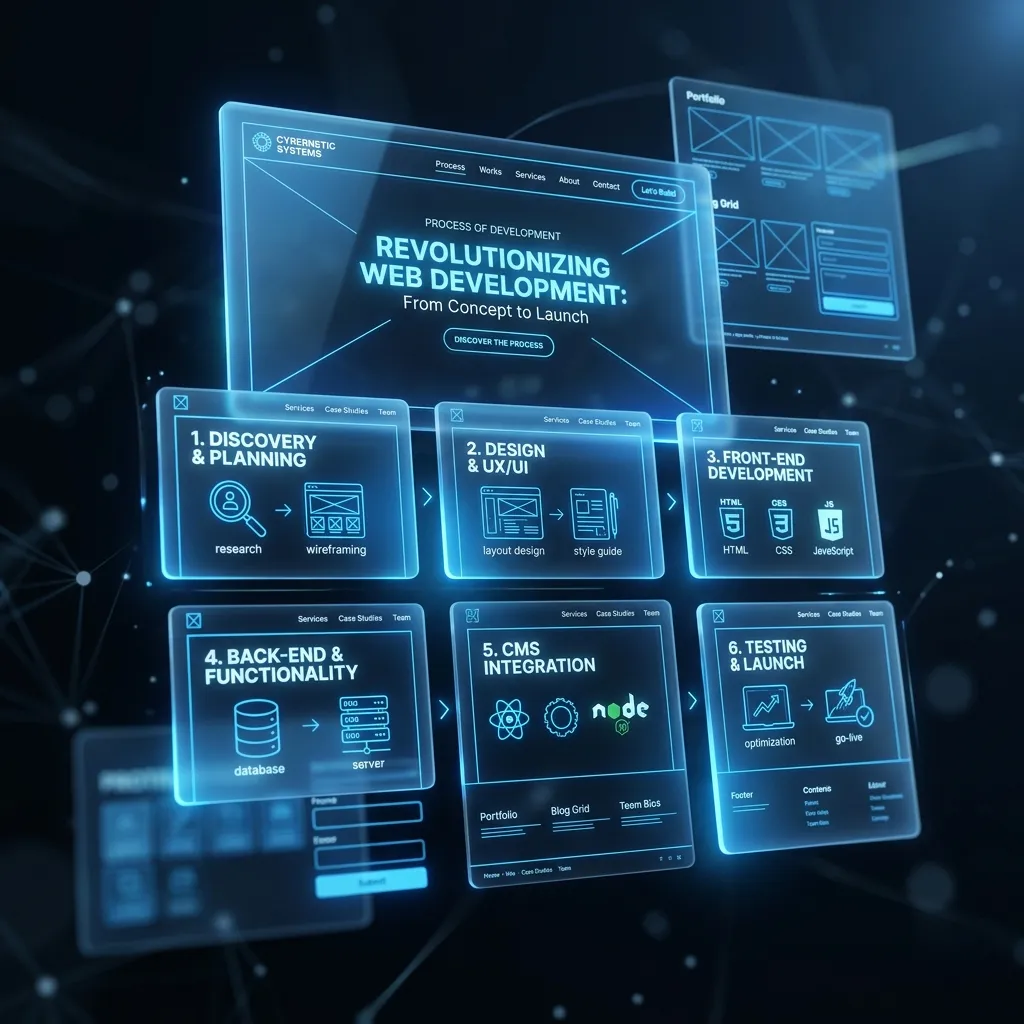
Phase 1: Generative Architecture and UI Automation
The first major advantage of AI in web design is structural generation. Instead of starting from a blank canvas, an AI agent analyzes your business type, local competitors, and target audience demographic. It then instantly generates a hyper-optimized UI/UX framework.
For example, if you operate a roofing company, the AI knows that your highest-converting layout requires a persistent sticky header with a clickable phone number, a hero section with a "Get a Free Estimate" form, and a dedicated "Service Areas" map block near the footer. It programmatically generates the HTML, CSS, and JavaScript required to execute this layout flawlessly across desktop, tablet, and mobile breakpoints.
Furthermore, AI ensures that design systems remain perfectly consistent. It enforces strict design token management—ensuring that your primary brand color (e.g., #0ea5e9) and secondary accents are mathematically harmonized, maintaining a premium aesthetic that builds instant trust with prospective customers.
Phase 2: Semantic Content and Image Generation
The biggest bottleneck in any web design project is waiting for the client to write the content. AI completely removes this friction. Utilizing advanced RAG (Retrieval-Augmented Generation) pipelines, AI systems can scrape your existing digital footprint, read your service brochures, and analyze your Google Business Profile reviews.
It then drafts compelling, emotionally resonant, and SEO-optimized copy for every single page of your new site. It doesn't just write generic filler; it writes localized copy that speaks directly to your au...