Quick Answer: An internal link engine helps Salt Lake City websites organize pages, guide users, and strengthen topical authority so search engines understand what matters most. For local businesses, it improves crawl paths, boosts conversions, and supports AI-driven content systems across competitive Wasatch Front markets.
Internal Link Engine in Salt Lake City, UT: What It Is and Why It Matters
An internal link engine is the strategic system that connects your website’s pages in a way that helps search engines crawl efficiently and helps visitors find the next best step. In Salt Lake City, where local companies compete across downtown professional services, Sugar House retail, Murray healthcare, and Bountiful home services, internal links are not just navigation—they are a ranking asset, a conversion tool, and a content architecture advantage.
 local SEO architecture and user navigation" loading="lazy">
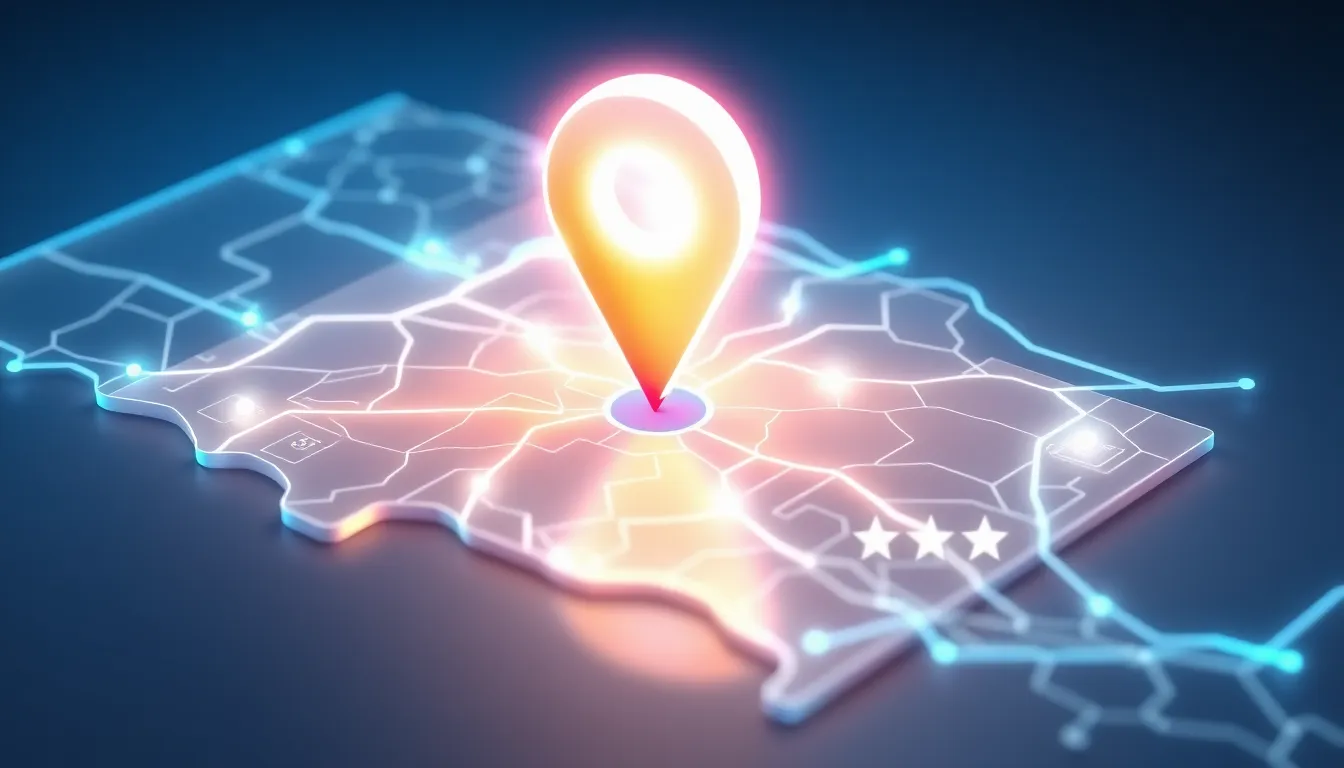
Think of your website like a road network. If your important pages are isolated, search engines may treat them like dead-end streets. If your pages are connected intelligently, they form a high-trust map. That matters especially in Salt Lake City, where businesses face seasonal traffic patterns on I-15, density shifts near Downtown and The Avenues, and search behavior shaped by fast-moving local competition.
Why Salt Lake City Businesses Need a Smarter Internal Linking System
Salt Lake City has a unique blend of industries: tech startups near the central business district, legal and financial firms along South Temple, service companies in West Valley City, and eCommerce operators serving the entire Wasatch Front. Each sector needs a website structure that reflects intent, location, and service hierarchy.
Local conditions also affect how people search. Winter inversion can keep residents on desktop longer while they compare providers. Summer heat pushes mobile searches for same-day services. Neighborhoods from Sugar House to Liberty Wells have different consumer expectations, and that means your internal linking should mirror how real people move through your site—not just how pages were published.
What an Internal Link Engine Actually Does
- Distributes authority from stronger pages to priority pages
- Connects related services, locations, and FAQs into topical clusters
- Improves crawl depth so important pages are discovered faster
- Reduces bounce by giving users logical next steps
- Supports AI agents that need structured, semantically connected content
How Internal Links Influence Rankings, Relevance, and Conversions
Search engines rely on links to understand relationships between pages. When your site links service pages to relevant case studies, location pages, and supporting educational content, you create a clear topical map. That map can help your Salt Lake City business rank for broader and more specific queries at the same time.
“Internal linking is one of the most underrated ways to clarify site structure and help users and search engines understand what content is most important.”
For businesses using websites, AI agents, and CRM systems, internal links also improve data flow. A page about lead generation can point to a contact page, an automation guide, a CRM integration page, and a service area page. That creates a cleaner journey from research to inquiry to conversion.
According to Google’s own SEO guidance, logical site structure and internal links help search engines discover and understand pages. That principle becomes even more valuable in competitive local markets like Salt Lake City, where relevance and organization can separate the top performers from the rest.
Core Components of a High-Performing Internal Link Engine
Not all internal links are equal. A real internal link engine is designed with purpose, hierarchy, and intent. The best systems use both human logic and search intelligence to guide page relationships.
| Component |
Purpose |
Salt Lake City Example |
| Hub Pages |
Central authority pages that organize topic clusters |
“Website Services in Salt Lake City” |
| Service Pages |
Convert intent into action |
CRM setup, AI automation, internal link strategy |
| Supporting Content |
Build topical depth and answer questions |
Blog posts about local SEO, lead nurturing, and automation |
| Contextual Anchors |
Signal page relevance |
Anchors tied to Utah service terms and neighborhood context |
Anchor Text Strategy
Anchor text should be descriptive, varied, and natural. Overusing the exact same phrase can look manipulative. Instead of repeating “internal link engine” everywhere, use related phrases such as website architecture, content connection system, local SEO structure, AI content routing, and CRM-linked service pages. This helps diversify semantic signals while keeping the topic tightly focused.
Salt Lake City Geography, Search Behavior, and Website Structure
Salt Lake City’s geography affects how businesses structure their websites. Downtown firms may need service pages that emphasize professionalism and quick access from I-15, I-80, and State Street. Businesses near the University of Utah often need educational, research-driven content. Companies in South Salt Lake or West Valley City may need more direct service pages with strong local intent.
The climate matters too. Winter road conditions, snowpack season, and inversion can shift search behavior toward online research and fast contact options. In warmer months, foot traffic and mobile discovery increase around places like City Creek Center, Liberty Park, and The Gateway. Your internal linking should support these real-world patterns by making high-intent pages easy to find from any entry point.
Neighborhood Context That Strengthens Relevance
- The Avenues: residential-professional mix, high trust expectations
- Sugar House: modern, design-conscious, comparison-heavy shoppers
- Downtown: fast decision-making, service credibility, urgency
- West Valley City: broad service-area needs and mobile-first discovery
- Murray: healthcare, family services, and practical buying intent
How Internal Link Engines Support AI Agents and CRM Workflows
For businesses using AI agents, internal linking becomes even more important. AI systems need structured content to identify topics, retrieve answers, and guide users through the right path. A connected site gives your AI assistant a cleaner knowledge graph, allowing it to recommend the right page, service, or next action.
CRM systems also benefit. When your website routes visitors through a logical journey—service page to case study to contact form to nurture sequence—your sales pipeline becomes more efficient. The internal link engine acts like a digital operations layer, making sure every page supports lead capture and follow-up.
Practical AI and CRM Benefits
- Improves page discovery for AI search and answer engines
- Helps route visitors to the right conversion point
- Supports segmented lead journeys by service type
- Makes content reuse easier across automation workflows
- Strengthens topical signals inside your CRM-assisted funnel
What a Localized Internal Link Strategy Looks Like in Practice
A strong Salt Lake City strategy starts with a core service hub. From there, links should connect to supporting pages based on intent, not just keyword repetition. For example, a page about website development might link to pages covering AI agents, CRM integrations, local SEO, mobile optimization, and conversion tracking.
Then, each of those pages should connect back to the hub and laterally to related topics. This creates a web of relevance that helps users explore without getting lost. It also prevents orphan pages, which are often the weakest pages on a site because they receive little internal authority and few contextual signals.
Best Practices for Local Businesses
- Link from high-authority pages to priority conversion pages
- Use location-specific supporting content where relevant
- Keep links within the body content, not only in menus
- Update links when new services or locations are added
- Audit orphan pages and redirect dead-end content paths
Common Internal Linking Mistakes That Hurt Visibility
Many businesses make the same errors: too many links on one page, generic anchor text, linking only from the homepage, or creating location pages that never connect to the rest of the site. These mistakes weaken topical authority and can make pages feel disconnected.
In a market like Salt Lake City, where businesses often target both local and regional traffic, poor structure can cause confusion. A visitor from Sandy searching for a solution may land on a page that never points them to the right service area. A user in Holladay may need a location-aware path. A strong internal link engine solves those problems by anticipating user intent.
How to Build a Better Internal Link Engine for Your Website
Start with your most important conversion pages. Then map your content into categories: core services, supporting education, location pages, and trust-building assets. Each page should have a clear role. No page should exist in isolation unless it serves a very specific purpose.
Next, review your anchor text. Make sure it sounds natural and points to the page’s actual topic. Then check your site from the perspective of a first-time visitor. Can they move from awareness to action in two or three clicks? If not, the structure likely needs refinement.
Finally, maintain the system. Internal linking is not a one-time task. As you publish new blogs, service pages, FAQs, and AI content, every new asset should strengthen the network. This is how websites become scalable and durable in search.
FAQs About Internal Link Engine in Salt Lake City, UT
How many internal links should a page have?
There is no universal number. The right amount depends on page length, intent, and the number of genuinely relevant related pages. Focus on usefulness, not quotas.
Can internal links help local SEO?
Yes. Internal links help search engines understand which pages matter most and how your local services connect. They also help users find the most relevant nearby service or location page faster.
Do AI agents use internal links?
Yes. AI systems rely on structured content and clear relationships between pages. A strong internal link engine makes it easier for AI agents to identify topical authority and guide users.
What pages should receive the most links?
Your most important service pages, conversion pages, and cornerstone content should typically receive the strongest internal support. These are the pages that should rank, convert, or explain your core offer.
How often should internal links be audited?
At minimum, review them quarterly. If you publish content regularly or run a large site, monthly checks are better. Look for broken links, orphan pages, and missed opportunities to connect related topics.
Why AI Pilots Is Built for This Work
Internal linking is not just a technical SEO task. It is a business growth system. When done correctly, it supports visibility, usability, automation, and conversion. That is especially true for Salt Lake City companies trying to compete across local and regional markets at the same time.
AI Pilots brings together site architecture, automation logic, and local market understanding to create internal link engines that are built for performance. From the urban pace of Downtown to the neighborhood character of Sugar House and the family-oriented corridors of Murray, your website should reflect how your customers actually search, compare, and buy.
With the right structure, your website becomes more than a brochure. It becomes a connected system that works for search engines, AI assistants, and real people throughout Salt Lake City and the greater Wasatch Front.